
While other industries appear quick to enforce consequences, the fashion industry seems steadfast in its loyalty to familiar faces.
By Rachel Weisz
Last Friday on my lunch break, I was sifting through the aisles of my city’s iconic department store: a nine-story monster surrounded by luxury retailers with conceptual storefronts and window displays of their universe. I’m in the international designer section. I love running my hands on the brimming racks, feeling the soft silks, inspecting trims, and checking tags — until something stops me in my tracks.
A simple silky cropped bomber jacket catches my eye, with giant slit pockets and a knitted high neckline — it’s exactly the piece I’ve been looking for. Fascinated, I unzipped the piece to check the tag. As soon as I saw the eponymous name, my face dropped. Alexander Wang.
Instantaneously, I am transported back to the headlines of heavy sexual assault allegations against the designer back in 2020. Allegations he initially denied, stating the accusations of assault were “baseless and grotesquely false,” but then subsequently retired from the spotlight. He later met with 11 of his accusers, and shared a statement to his Instagram account, which read in part: “I regret acting in a way that caused them pain … I will do better.”
Wang was a party boy, a characteristic that also extended to his brand and his identity. He was also the first person of Asian descent to hold a title in one of France’s most prestigious couture houses, the Kering-owned Balenciaga from 2012 to 2015. His fashion shows were immersive, while his clothes balanced functionality and style. He pioneered a contemporary approach to fashion by fusing sportswear elements with luxury.
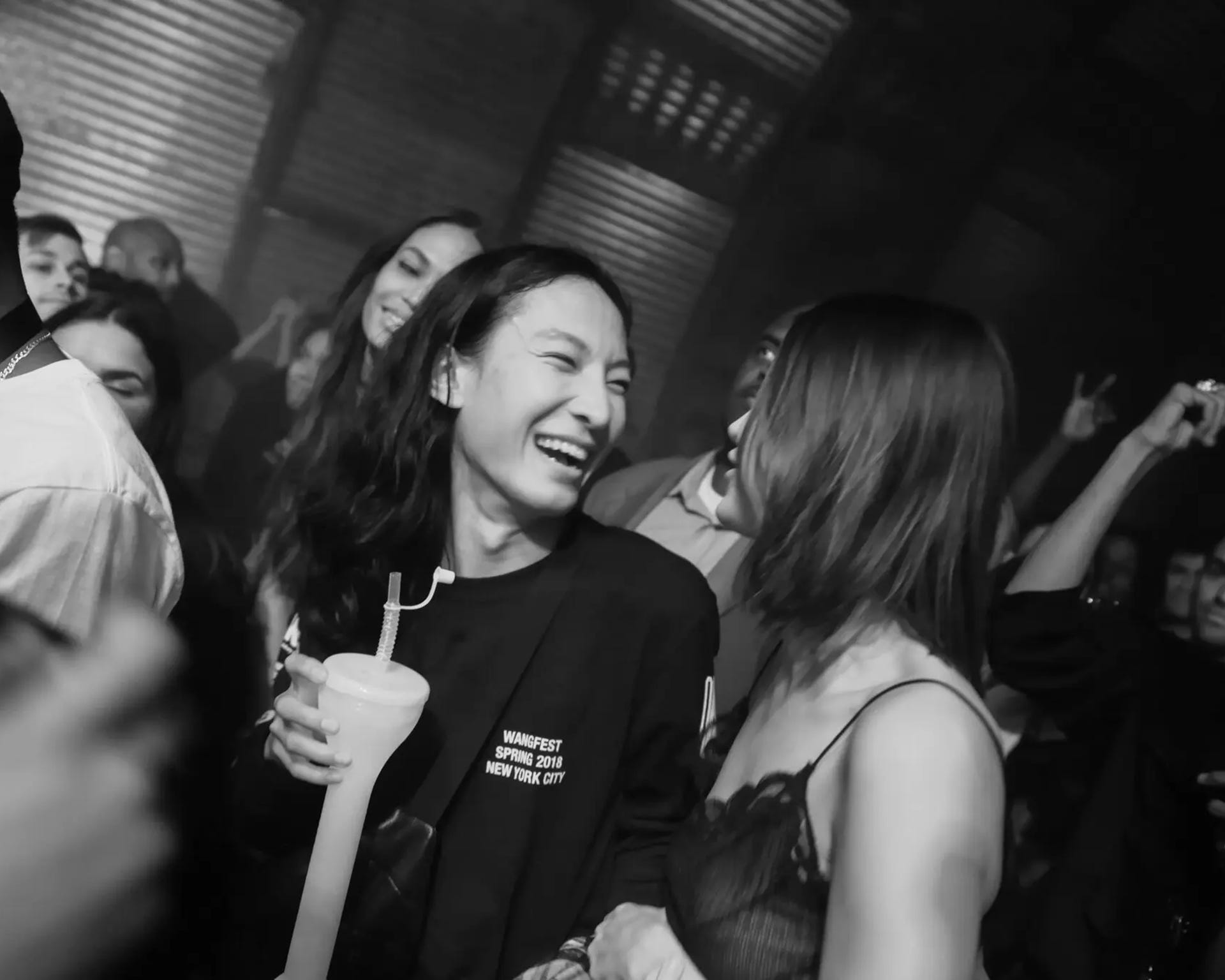
While Wang’s name was subsequently criticised in the press, his profits were not affected. He has had continued growth, particularly in the Asian market, especially after taking on a minority investment from a China-based VC fund and an institutional investor. His intention for the brand at present is to build a new-age version of the American lifestyle brand by dropping many of its brand signatures and party aesthetic. As he tells Vogue Business: “I get excited by the opportunities presented by what’s never been done before. And there’s never been an American luxury lifestyle brand with an Asian American name.”
In 2022 he held his first show in three years since the accusations of sexual assault took place. The designer’s pieces were worn by the likes of Rihanna and Megan Fox this year, and while most fashion publications document Wang with the context of these allegations, it feels as though the consumer world has chosen to sweep them under the rug.
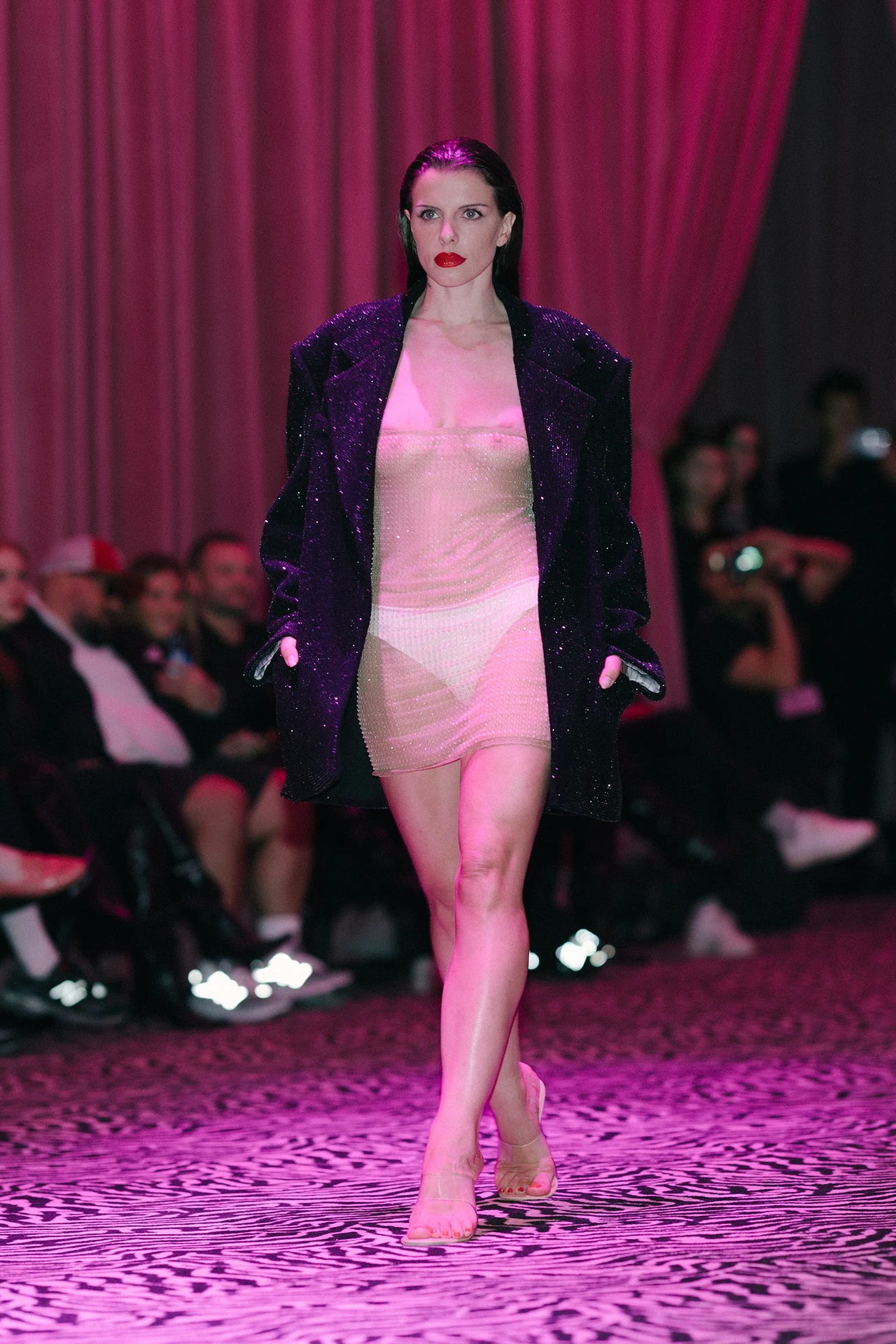
“I love cancel culture but we do need to leave room for rehabilitation and for those who put in the work and heal and learn from their mistakes” – Julia Fox responding to critics after walking in Alexander Wang’s fashion show.
Transported back to reality, I put the bomber jacket back on the rack and walked away. The truth is, I already own something from Alexander Wang. I purchased it on Depop a few years ago, but since learning of the allegations — I haven’t worn it once. There’s an uneasy feeling in me that won’t go away.
I’ve been wanting to unpack this story for a long time now. The concept of the art vs. the artist has always been a complex discussion. For this story, however, I wanted to keep the conversation solely about creative directors in the fashion industry. (This story could get incredibly complicated, especially as it comes around the same time as the recent VS Fashion Show, Former Abercrombie & Fitch CEO Mike Jeffries sex trafficking charges, and Naomi Campbell’s fashion charity unravelling).
We also tend to form parasocial relationships with creative directors in particular as they are often celebrities in their own right. We froth over their memoirs and document their rise to the top jobs in fashion. Whether you’re an aspiring fashion designer, fashion journalist or art lover, looking to an artist for inspiration is also natural and critical to the art process. But to what extent can we love a piece of art by an artist who has done terrible things?
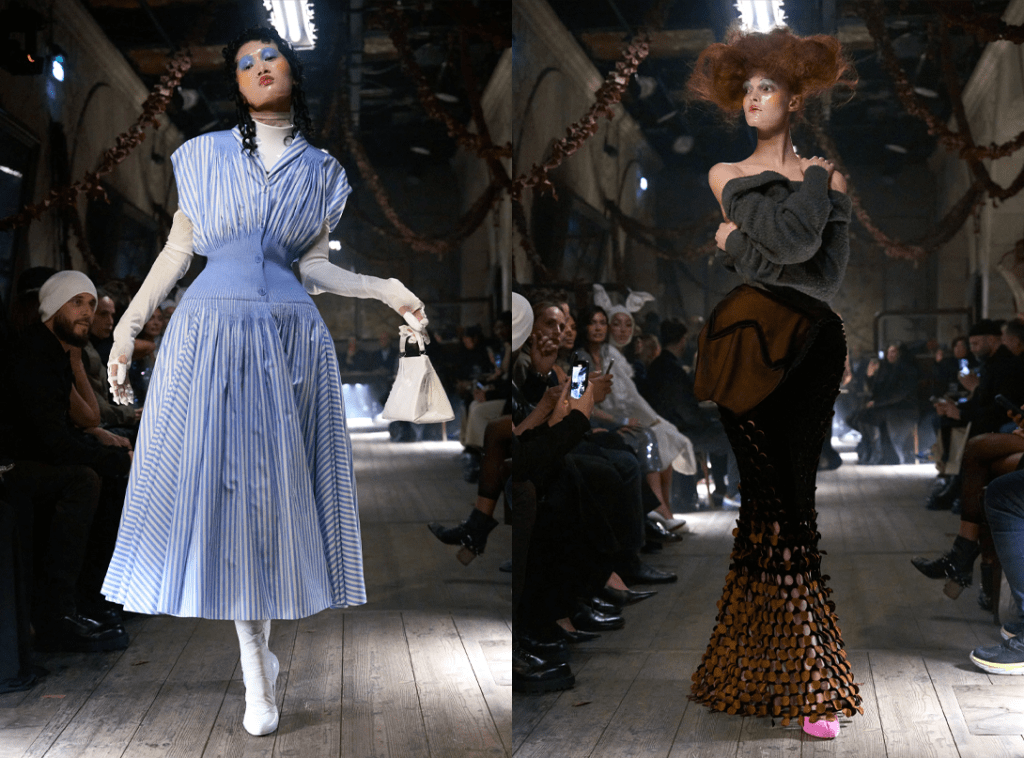
This story started stirring in me the same time that I watched the documentary High & Low – John Galliano by Kevin Macdonald. Galliano was the King of fashion in the 90s and is one of the most well-known designers of our time. In the 90s, the fashion industry transformed from quite a niche industry to a main character in the celebrity and pop culture news cycle with fashion shows now open for public consumption. Galliano’s theatrical storytelling and high drama cemented him as a big name on and off the catwalk. (Unfortunately, I was only alive for two of those years, but I choose to live vicariously through fashion documentaries, memoirs and Vogue runway). He became the creative director of Givenchy in 1995, and then moved to Dior in 1996.
In February 2011, news broke of a drunk and disoriented Galliano addressing the table next to him with antisemitic remarks. The entire tirade was filmed and shared with the public, who immediately turned on the designer. Galliano was prosecuted by a French court and sacked as creative director of Dior in 2011.
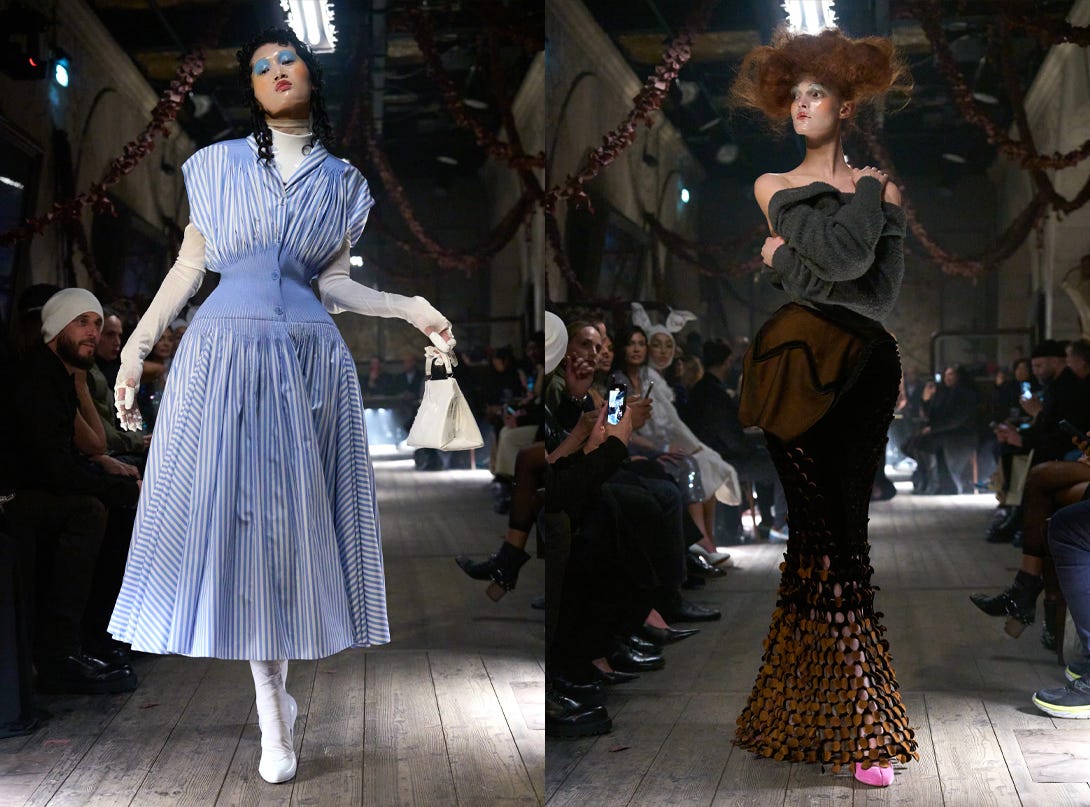
Galliano eventually went to rehab and spent a few years without a creative director title to his name. But this only lasted three years, once Galliano joined Maison Margiela in 2014. His latest show in January 2024 for the House received a 5-minute standing ovation and went viral online (frankly, it was the most incredible show I’ve seen in years, and reminded a lot of fashion nerds like me of his theatrical shows in the 90s). The documentary came out soon after this show — a very intentional decision.
Since the show in January, it truly feels like the fashion industry has forgiven Galliano for his mistakes. But perhaps they can forgive easily because they are partly to blame. The documentary shares in chronological order the rise and fall of Galliano, including his addiction to both his work and alcohol — as well as the pressures from an industry that constantly desires more.
There is no doubt of the designer’s incredible impact on the industry and culture at large, and his name will go down in the history books as one of the great designers of our generation.
So is Galliano then an example of selective forgiveness due to his creative talent and impact on the industry? Does the same extend to Alexander Wang? Or Demna, the creative director of Balenciaga who released controversial ads featuring children holding teddy bears dressed in bondage gear? What about the designers behind Dolce & Gabbana, who time and time again have been accused of racism and homophobia? The answer is, unfortunately, yes. All these designers have managed to pull through their controversies, and are still accepted by the fashion industry with open arms as if the past never existed. While other industries appear quick to enforce consequences, the fashion industry seems steadfast in its loyalty to familiar faces.
With this being said, I personally find it difficult to forget such convictions. As an artist myself, I know that creating art can be a vessel to share thoughts, feelings and emotions. So when I find myself trying to separate the art from the artist, I find the two so intertwined that it feels almost impossible. Even so, I think there should be space for how we think about a designer’s work versus how we feel about the designer. The fashion industry can do better in considering both, rather than turning a blind eye.
Designers in particular show a unique challenge when it comes to separating the art from the artist as it comes back to this idea of parasocial relationships. In fashion, designers are their own celebrity, which makes it difficult to separate the person from their work. There should also be room to engage critically in art with room to criticise the artist. This choice creates space for accountability in an industry that often overlooks it.
As someone who constantly looks to other artists for inspiration, I will always struggle with this philosophical discussion. However, as a fashion person, I will always appreciate that a fashion collection isn’t just a representation of one person. These collections we see year after year also represent the hundreds of workers who have poured their heart and soul into the shows and collections — seamstresses, assistants, PR people, show directors etc. — and their work should be celebrated.
I would love to hear your thoughts on this topic! Feel free to discuss in the comments below or send me a message on Instagram here.
Until next time,
R xx
 The Pull