
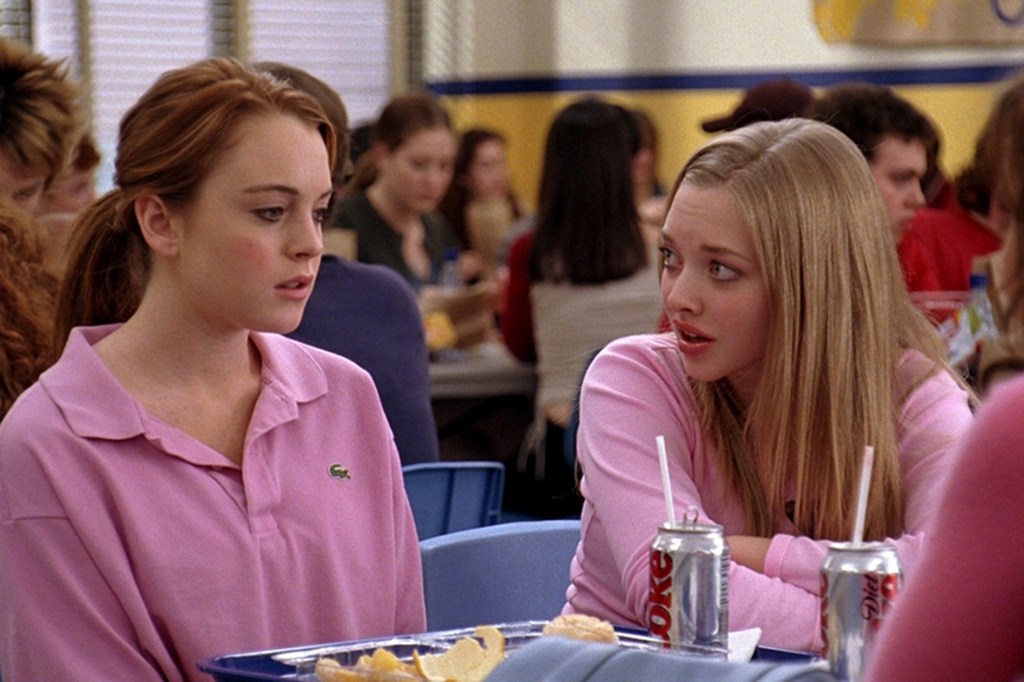
Is the behaviour of collective comfort watching and a turn to nostalgia almost… a feminine experience in itself?
By Rachel Weisz
The recent rise of girlhood has had a radical impact on the way we dress, act and perceive things from our youth. From Miffy to Mean Girls, bows and ballet flats, the concept of feminine adolescence before this wave of social media virality was usually accompanied by a hint of disdain. Girls, particularly young teenage women, felt shame for the things that brought them joy. From One Direction mayhem and Taylor Swift, and despite whether you lean more towards Team Edward or Team Jacob, the aesthetics that define this era in all of our lives became something that we had to bury deep and leave in the dark to head towards a more mature sensibility. That is until we decided to unapologetically bring it back to life.
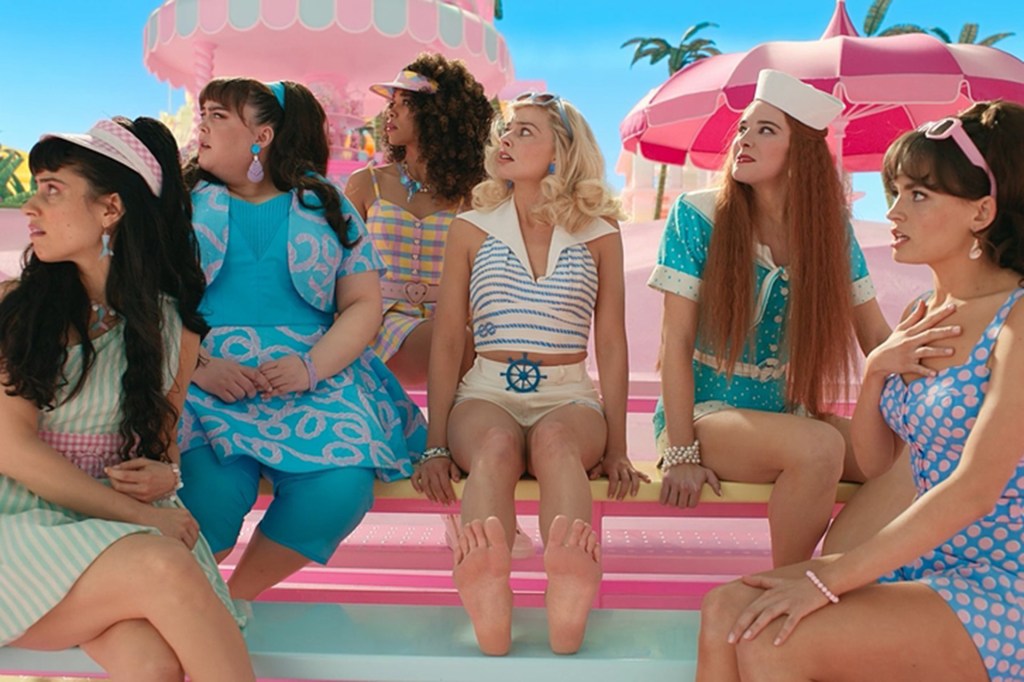
With the recent release of the musical adaptation of Mean Girls (2024) based on the 2004 film written by Tina Fey, it feels as though we are reaching back in time, yet this time without the discomfort. The same goes for Barbie (2023). It was a powerful feeling to sit alongside women in the movie theatre on the day the film was released, all in a collective pink pool of excitement, anticipating nostalgic excellence and a yearning to heal our inner child. There’s no shame or fear, but a community of people that exist in this space to receive pure joy.
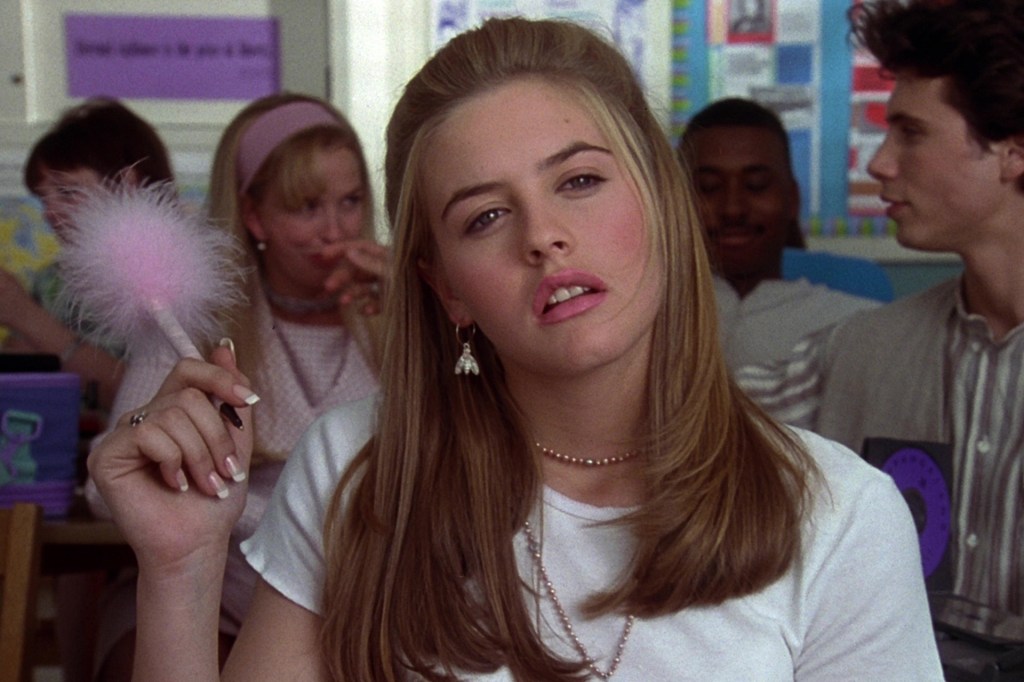
Even online, films like Twilight have come back to the present zeitgeist akin to the vampire renaissance that’s growing in popularity which, at least to me, is a warm presence in between my otherwise negative news-focused social media feed. Although now through a more critical lens (the movie is more problematic than what we initially thought), women can sit back and enjoy something that brings pure nostalgic joy for a time in our lives not yet plagued with adulthood or fear of shame. While Y2K caused a radical shift in the way we dressed, films like Uptown Girls (2003), Legally Blonde (2001) and 13 Going on 30 (2004) resurfaced from our adolescent film repertoire and became cultural reference points to admire and imitate.
One thing that all these films have in common is that they can be placed in the ‘comfort film’ folder, a category for nostalgic binge-watching and girls’ night-ins. These movies bring us a sense of calm when the world feels too heavy, and take us back in time to when adolescence trumped responsibility. It’s interesting to see how nostalgia has a chokehold on our generation, but more importantly, how it has a chokehold on women in particular. All these films referenced have a majority female demographic. Is the behaviour of collective comfort watching and a turn to nostalgia almost… a feminine experience in itself?
Sure, Star Wars or The Godfather is part of many men’s annual streaming rotation, but I don’t see the need for men to utilise nostalgia to validate or claim their experiences — mostly because they don’t need to. Sohni Kaur’s thesis on The Comfort Watch: Psychology And Media Theory Perspectives On Nostalgia And Film studies the relationship between gender and comfort watching, with their research implying that nostalgia may be considered more of a feminine experience. “Nostalgia as a whole is often gendered female due to the critical reception it receives. Because nostalgia and comfort films are often related, it is hypothesised that comfort films will be used more often by women in comparison to other genders because of their nostalgic nature (Böhn, 2007).”
Even if men do participate in a nostalgic rewatch every once in a while, it’s not like their films are ever seen as ‘childish’ or ‘deluded’, nor have they even needed to feel embarrassed for a boy-tailored movie from their youth. In Kaur’s thesis, they note; “Because women, particularly younger girls, are discredited for simply enjoying things, revisiting once shameful pleasures from a nostalgic lens can alleviate the pain of having carried guilt undeservedly. A quintessential example of this phenomenon is how Twilight transformed from a guilty pleasure to a nostalgic cult favourite.”
It’s interesting to watch our generation claim these parts of their adolescence at this present moment. Perhaps it is just another post-pandemic form of escapism. Some might even perceive it as a form of feminism. Just like we’re claiming our youthfulness and rejecting the male-centric fetishisation of the once Lolita-fied 90s girlhood aesthetic, the same can be said about films. The films that we once felt ashamed of loving (solely for having a female audience), now come with a positive nostalgic flair, and in turn, are changing the narrative.
The thing is, these films are popular for a reason. They’re just good films, and we’ve known it all along. The shame we feel behind loving these movies as children is just a product of the Ken-ified world we live in. It reminds me of something Harry Styles once said about teenage girls and music for Rolling Stone, “Who’s to say that young girls who like popular music — short for popular right? — have worse musical taste than a 30-year-old hipster guy? That’s not up to you to say. Music is something that’s always changing. There’s no goal posts. Young girls like the Beatles. You gonna tell me they’re not serious? How can you say young girls don’t get it?”
Nostalgia is part of the human experience, and this new age of social media has made it almost a collective ritual to escape our current traumas. “As film becomes a vessel for nostalgia, viewers grasp onto it as a way to return to whatever time they long for” says Kaur. There’s nothing wrong with using media to transport back to a simpler time. But hopefully women will one day no longer need to use nostalgia as an excuse to love their favourite movies, or music, or anything. But for now, nostalgia and girlhood are forever interlinked. “Thus, the nostalgic comfort film is a return: a return to a simpler time, a return to a past self, a return to home.”
 The Pull